Woodbridge NJ Locksmith Service Team
Local locksmith team
Nov 6, 2026 11 min read
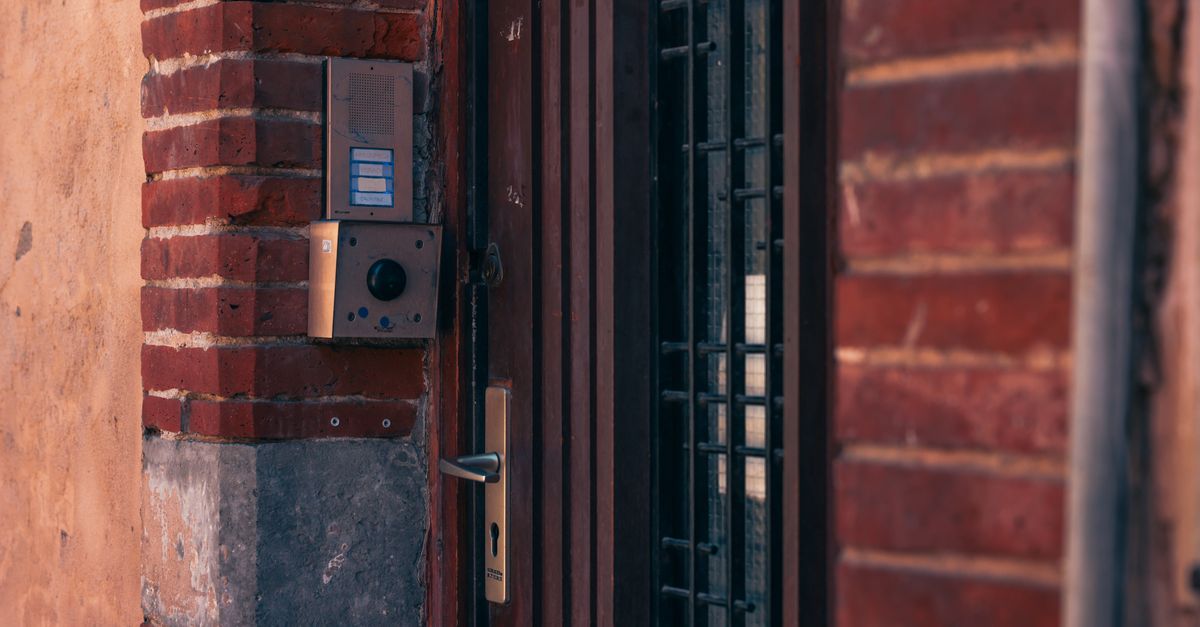
You get back into your house after a lockout — relief washing over you — and then the door won't close right. Maybe it swings shut but the latch won't catch, or the bolt refuses to slide home, or the whole door sits crooked in the frame. What felt like a solved problem has now turned into a new one. This happens more often than homeowners expect, and it rarely means your lock is ruined. Usually, the culprit is one of three things: the lock mechanism itself, the strike plate alignment, or a door frame that has shifted.
In Woodbridge Township — where older colonials near Main Street and newer builds out toward Avenel sit side by side — doors age differently, frames settle at different rates, and hardware wears in ways that a lockout situation can suddenly make obvious. This guide walks you through how to diagnose why your door won't close or latch properly after a lockout, what you can safely check yourself, and when it makes far more sense to call a trained locksmith than to force anything.
## Why a Lockout Can Expose a Latching Problem That Was Already There
A lockout doesn't usually break a door. What it does is force you — or a locksmith — to work the lock under pressure, and that process can reveal wear or misalignment that was quietly developing for months. A latch that was barely catching the strike plate, a door knob lock that was stiff but functional, or a bolt that needed a slight shoulder-push to engage — these hidden issues come to the surface during a lockout. When the door finally swings open, whatever marginal tolerance was holding things together is gone.
The other common scenario: the door was forced during a lockout attempt before you called a professional. Forcing a door — even slightly — can bend the strike plate, shift the door in the frame, or damage the latch mechanism itself. If you or someone else tried to push, pry, or shimmy the door before calling for help, that's worth factoring into your diagnosis. The good news is that most of these problems are fixable without replacing the entire lockset.
## How to Tell Whether the Problem Is Your Lock, Your Strike Plate, or Your Frame
Start with the simplest check: watch where the latch bolt actually hits when you slowly close the door. If it's hitting the face of the strike plate instead of sliding into the opening, you have an alignment problem — either the strike plate has shifted, or the door has dropped or swollen. If the latch bolt is moving sluggishly or not springing back fully, the problem is inside the lock mechanism itself. And if the door won't sit flush in the frame at all — if there's a visible gap at the top or bottom, or the door rubs the frame on one side — you're likely dealing with a shifted or settled frame.
A quick rub-test helps with frame issues: rub a bit of lipstick or chalk on the latch bolt, close the door gently, and open it again. The mark it leaves on the strike plate tells you exactly where the bolt is landing versus where it needs to go. A misalignment of less than a quarter inch can often be corrected by filing the strike plate opening slightly or repositioning the plate. Anything more than that — or any situation where the door frame itself appears to have moved — warrants a closer look by a professional. Attempting to force alignment on a settled frame can crack the jamb or compromise the door's security entirely.
## Common Lock Mechanism Failures: From Worn Latches to Mortise Lock Issues
If the door closes fine but the lever door handle won't lock, or you notice the door knob won't lock from inside even though it did before the lockout, the fault is likely inside the lock mechanism. Latches wear over time — the spring that drives the bolt can weaken, leaving it sluggish. The cam or spindle that connects the handle to the latch can strip slightly, especially on older hardware. In these cases, the fix might be as straightforward as lubricating the mechanism with a dry graphite spray or replacing the latch cartridge, but in many cases the entire lockset needs to be changed.
Homes in older Woodbridge neighborhoods — particularly those built in the mid-20th century — often have mortise lock hardware, which is a more complex, recessed lock assembly set into the door itself rather than surface-mounted. A mortise lock that isn't latching after a lockout may have a damaged case, a broken follower, or a worn-out bolt spring inside the body. These are not DIY repairs. If you're wondering how to fix a door knob that won't lock and you're dealing with a mortise-style lock, the honest answer is that the internal parts require a trained locksmith to service correctly. Trying to open the case without experience can damage the lock beyond repair. If you're in that situation right now, call us at (732) 652-8002 — we're available around the clock and can assess whether a repair or a full lock change is the right call.
## When the Door Frame Is the Real Culprit — and What That Means for Security
Woodbridge Township sees its share of humid summers and cold winters, and that seasonal cycling causes wood to expand, contract, and gradually shift. If your door has been subtly harder to close over the past year, the frame has likely moved. A lockout — or the stress of a lockout attempt — can push a nearly-misaligned door over the edge into a door that simply won't latch at all. You'll notice this if the door appears to lean, if the gap between door and frame is uneven, or if the door rubs the floor or threshold.
This is worth taking seriously from a security standpoint, not just a convenience one. A door that doesn't fully latch is a door that can be pushed open without any key or tool. Even if you manage to get the deadbolt to throw, a compromised frame means the bolt isn't anchored to anything solid. A skilled locksmith can assess whether the issue is the frame itself — which may require a carpenter — or whether repositioning the strike plate and adjusting the door stop can restore a solid, secure close. In some cases, installing a heavy-duty strike plate with longer screws into the stud behind the jamb can compensate for minor frame shift and dramatically improve security at the same time.
## What to Do Right Now — and When to Stop and Call a Professional
Here's a practical sequence if your door won't close or latch after a lockout. First, check whether the latch bolt moves freely by hand — push it in and release it. If it's slow or sticky, try a dry lubricant before anything else. Second, close the door slowly and watch where the latch contacts the strike plate. If it's missing by a small margin, the strike plate may just need to be repositioned — loosen the screws, tap it slightly in the right direction, and retighten. Third, check the door hinge screws: loose hinges let the door sag, which throws off latch alignment. Tightening hinge screws — or replacing them with longer ones that reach the stud — often solves a sag problem entirely.
Stop and call a professional if: the latch bolt is physically damaged or won't retract; the lever or knob spins without engaging the latch; the door frame is visibly cracked, split, or bowed; or you're unsure whether the lock was damaged during the lockout attempt. Forcing a compromised door closed, or leaving it unsecured while you figure it out, creates a real safety risk. Our team responds across Woodbridge Township — from the neighborhoods near Rahway Avenue to communities along Route 9 — and we carry the hardware to handle lock changes, latch replacements, and strike plate repairs on the spot. Whether you're dealing with a standard deadbolt, a lever handle setup, or a more involved commercial locksmith job on a business property, we can diagnose and fix it in a single visit. Call (732) 652-8002 any time — we answer 24/7.
## Preventing This Problem Before the Next Lockout
The best time to address a door that's been subtly misbehaving is before it becomes an emergency. If you've been shoulder-bumping your door to get it to latch, or if the lever feels loose, or if the deadbolt requires jiggling, those are signs that maintenance or a lock change is overdue. Lubricating your lock twice a year with a graphite-based dry lubricant — not WD-40, which attracts dirt — goes a long way. Checking and tightening hinge screws seasonally is free and takes two minutes. And if you're curious about how to change your door lock before you're in a pinch, a locksmith can walk you through your best options for your specific door type, whether that's a keypad deadbolt, a Schlage or Kwikset replacement, or a full rekeyand-hardware upgrade.
If you've had a lockout and you're now questioning the overall security of your door setup, that's actually a worthwhile moment to think about an upgrade. A stronger strike plate, a deadbolt with a longer bolt throw, or simply a lock that's been rekeyed so old keys no longer work — these are all practical next steps. Our team handles residential home locksmith calls, emergency locksmith responses, auto locksmith jobs for vehicle lockouts, and commercial locksmith work for businesses throughout Woodbridge Township. Whatever your door is telling you right now, we can give you a straight answer about what it needs.
Frequently asked questions
How much does a locksmith cost in NJ after a lockout?+
There's no single flat answer because the final price depends on several factors: the type of lock involved (a standard deadbolt is different from a mortise lock or a high-security commercial lockset), whether you need a simple service call or a full lock change, the time of day since after-hours and overnight calls carry different rates, and travel distance to your location. What we always do is confirm an exact up-front price with you before any work begins — no surprises on the invoice. Call (732) 652-8002 and we'll give you a clear quote based on your specific situation.
What proof do I need for a locksmith to open my door?+
Any reputable locksmith will ask you to verify that you have the right to access the property before beginning work. For a home, that typically means a government-issued photo ID matching the address, and potentially a utility bill, lease agreement, or deed if the address doesn't match your ID. For a vehicle lockout, your driver's license and vehicle registration together confirm ownership. This isn't bureaucracy for its own sake — it's a standard that protects you as a homeowner. A locksmith who skips this step entirely is a locksmith worth being cautious about.
What locks can locksmiths not open?+
Experienced locksmiths can open the vast majority of residential, commercial, and automotive locks through legitimate, non-destructive methods. The locks that present the most difficulty are high-security models with complex pin systems, anti-pick sliders, or restricted keyways — brands like Medeco or Mul-T-Lock are engineered to resist manipulation. In those cases, a locksmith may need to drill the lock as a last resort, after which it's replaced. No lock is truly impervious, but high-security options make unauthorized entry significantly harder, which is exactly the point. If you're locked out of a high-security lock, call us and we'll assess the best approach before doing anything.
My lever door handle won't lock after a lockout — do I need to replace the whole thing?+
Not necessarily. A lever handle that won't lock can be caused by a stripped spindle, a broken cam inside the chassis, or a latch mechanism that's worn past the point of reliable function. In some cases the internal cartridge can be replaced without swapping the full handle set. In others — particularly if the hardware is older or was stressed during the lockout — a full replacement is the cleaner and more secure solution. A trained locksmith can open the mechanism, tell you exactly what failed, and give you the option to repair or replace with a clear explanation of why. Call (732) 652-8002 and we'll take a look.